
USD 5.49
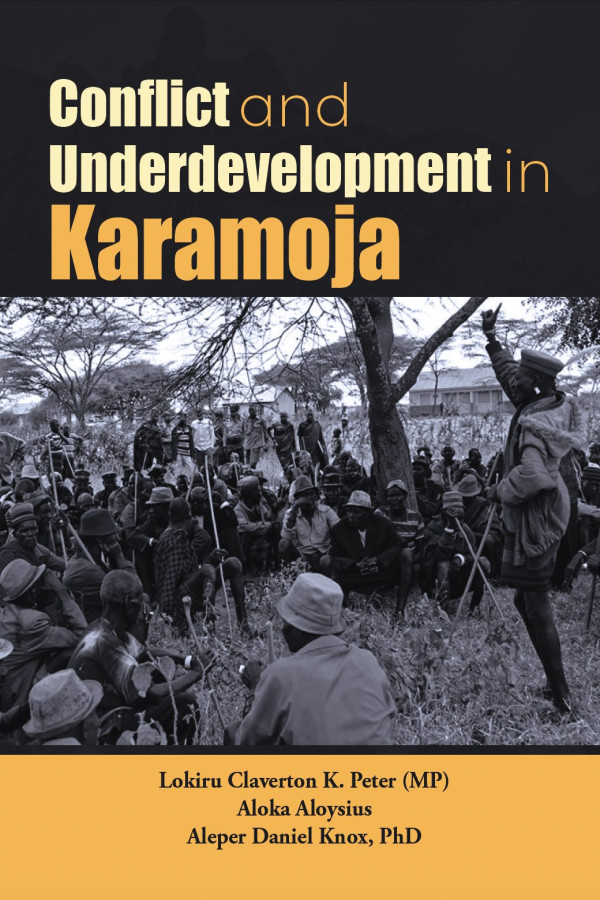
Conflict and Underdevelopment in Karamoja provides an in-depth exploration of the historical, cultural, and socio-political factors that have contributed to the persistent underdevelopment and recurrent conflicts in Karamoja, Uganda’s most marginalised region. Drawing on extensive field research, archival sources, and interviews with local communities and policymakers, the book traces the origins of Karamoja’s social structures, migration patterns, and traditional governance systems that have shaped the identity of the Karimojong. It examines the profound impact of colonial policies, including pacification campaigns and land dispossession, which disrupted Indigenous socio-economic arrangements and sowed seeds of distrust and violence. The narrative highlights how post-independence neglect, coupled with marginalisation in national development plans, has exacerbated poverty and food insecurity in the region. Furthermore, the book critically analyzes the complex interplay of inter-ethnic clashes, cattle raiding, and resource competition that fuels ongoing conflict, while also exploring the resilience and adaptive strategies employed by local communities. It scrutinises the role of government intervention, international aid, and peacebuilding efforts, offering insights into what has worked—and what has not —in fostering sustainable development and peace. Richly detailed and meticulously researched, this volume aims to provide policymakers, development practitioners, and scholars with a comprehensive understanding of Karamoja’s challenges and to inform strategies that promote stability, economic growth, and social cohesion in this historically neglected region.
SIMILAR BOOKS
Lake Katwe Salt