
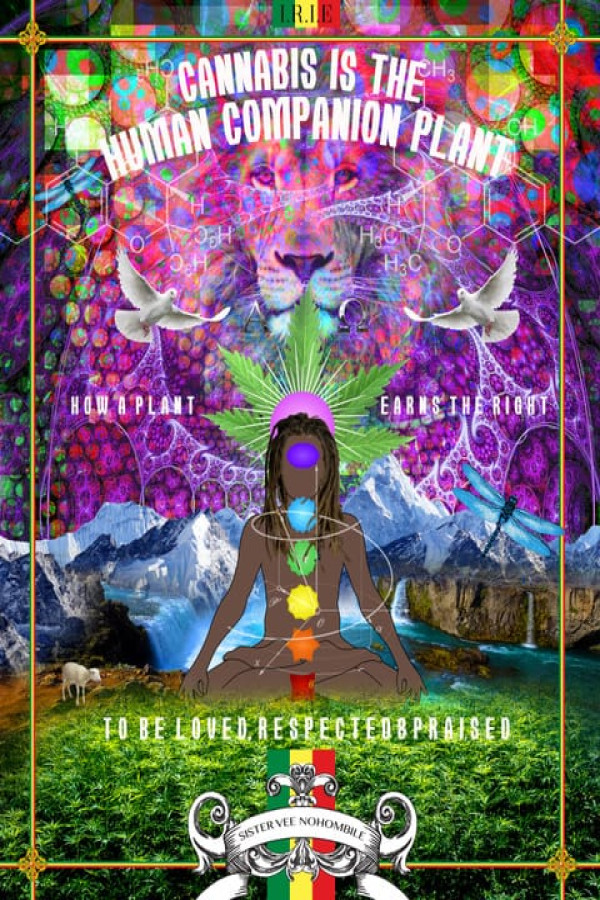
USD 5.00
Cannabis Is the Human Companion Plant introduces readers to the human Endocannabinoid System and explores the deep, long-standing relationship between cannabis and human health. Written for non-medical readers, the book bridges modern scientific research with ancient herbal knowledge to explain why cannabis has played a vital role in human wellbeing for thousands of years. The author examines THC, the plant’s unique and central compound, and its interaction with the body’s own cannabinoid system, including the naturally produced molecule anandamide. Through this lens, cannabis is presented as both medicine and companion, used by people to support sleep, appetite, pain relief, stress reduction, emotional balance, and spiritual growth. Drawing on history, biology, and lived experience, the book argues that humans have evolved alongside cannabis and that its therapeutic potential has been overlooked for far too long. Readers will discover traditional and modern perspectives on cannabis medicine, including its reported effects on chronic illness, neurological conditions, and mental health. Notice: Cannabis should be used responsibly and only in accordance with the laws of your country. AfricanBooks.com does not condone illegal drug use.
LP
2026-01-28 12:17:20A One-Sided Advocacy That Demands Greater Context and Caution
Cannabis Is the Human Companion Plant is a forcefully argued non-fiction work that advocates for the cultural, historical, and functional role of cannabis in human society. The book’s depth of material and the author’s conviction are evident, offering readers a substantial volume of pro-cannabis commentary and references. However, the work tends to glorify the substance without sufficiently engaging potential risks, side effects, or counterarguments, resulting in a largely one-sided narrative. The absence of meaningful discussion around legal restrictions and regulatory realities in many parts of the world further limits the book’s practical credibility and contextual completeness. Presentation also weakens its impact: the cover design lacks professional execution and clear genre signaling, while the internal structure is dense and repetitive, making the reading experience demanding. Stronger editorial balance, clearer acknowledgment of legal and health considerations, and a complete visual redesign would be necessary for the book to meet higher professional and reader-trust standards.
SIMILAR BOOKS